
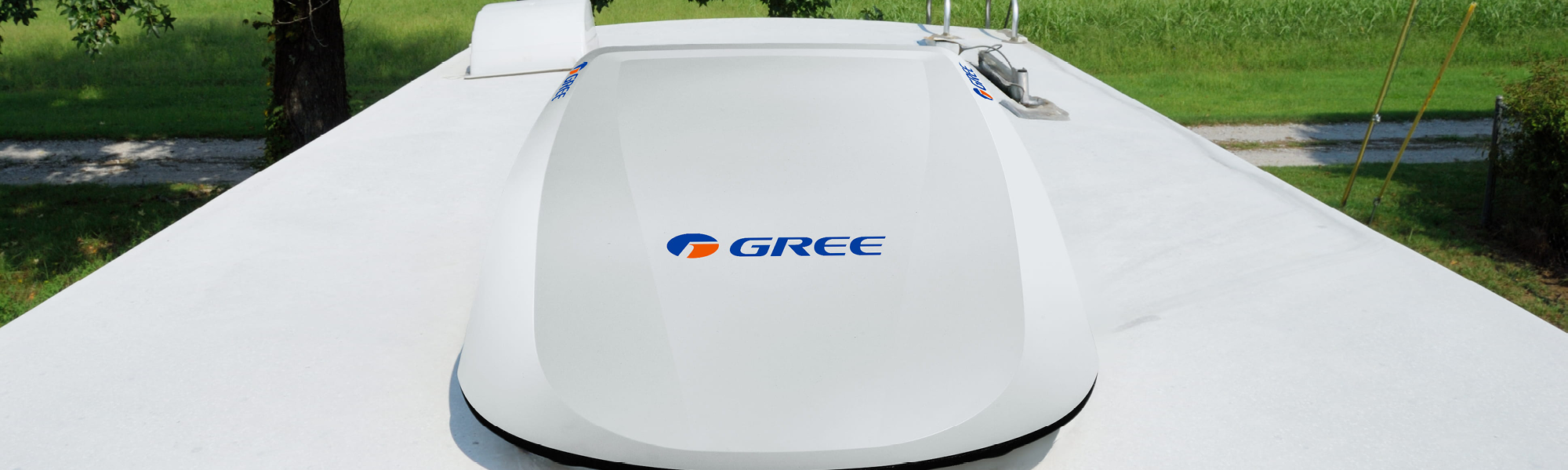
3 Products


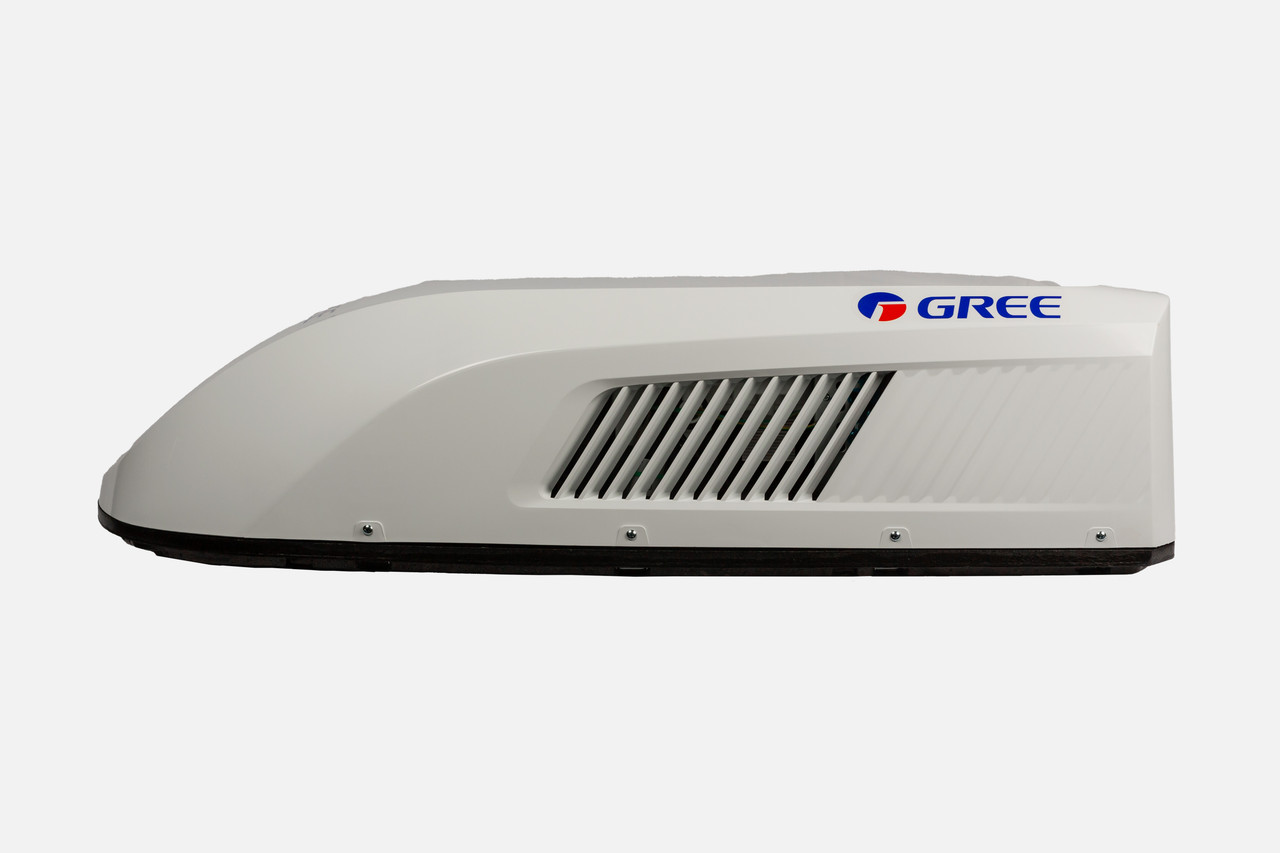

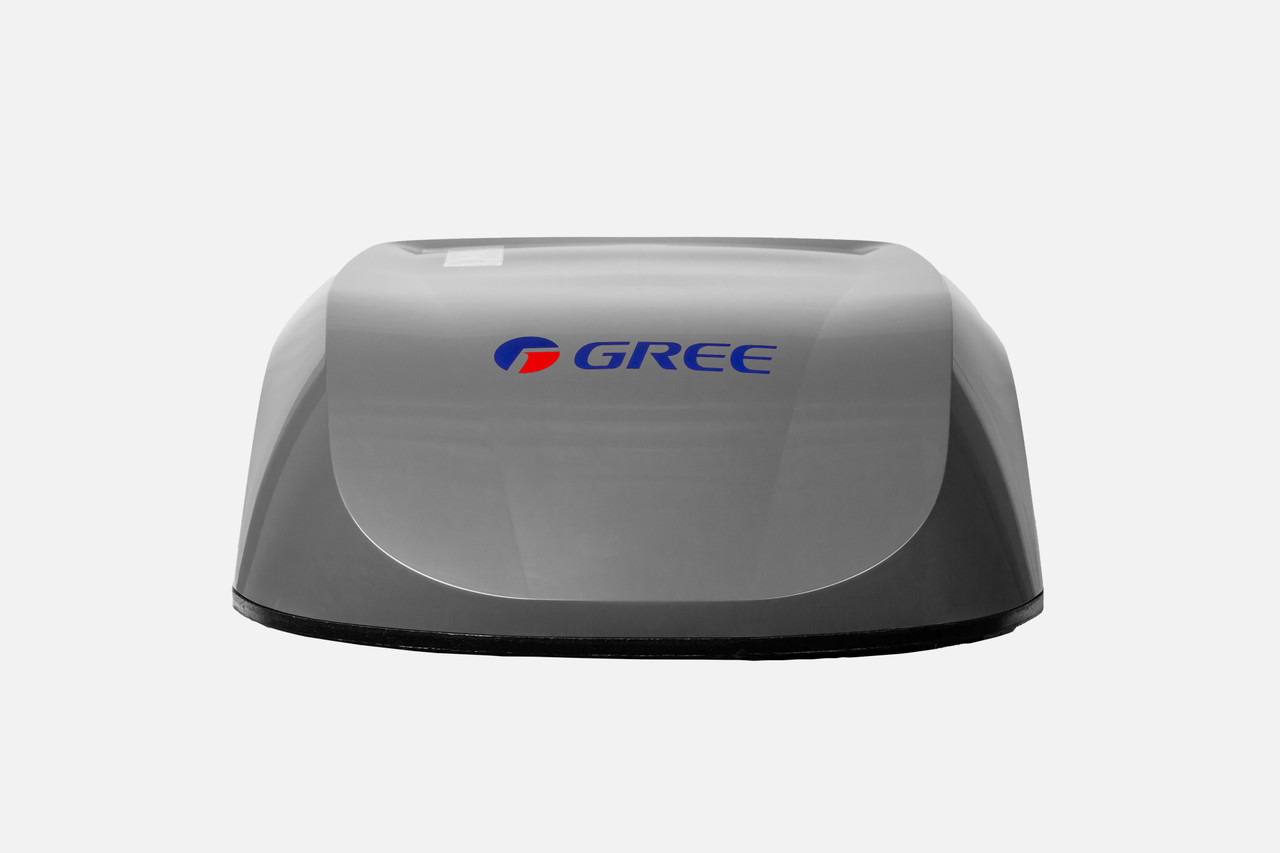
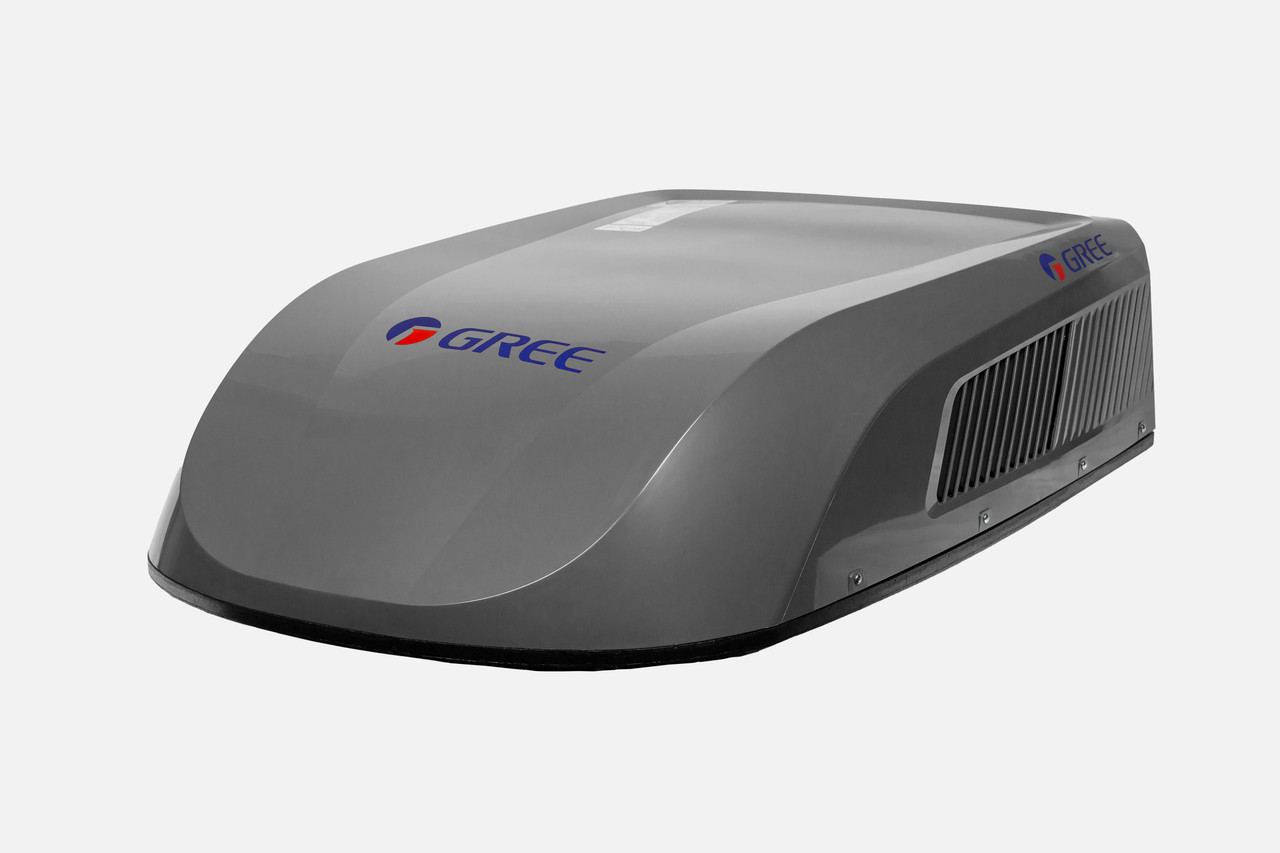
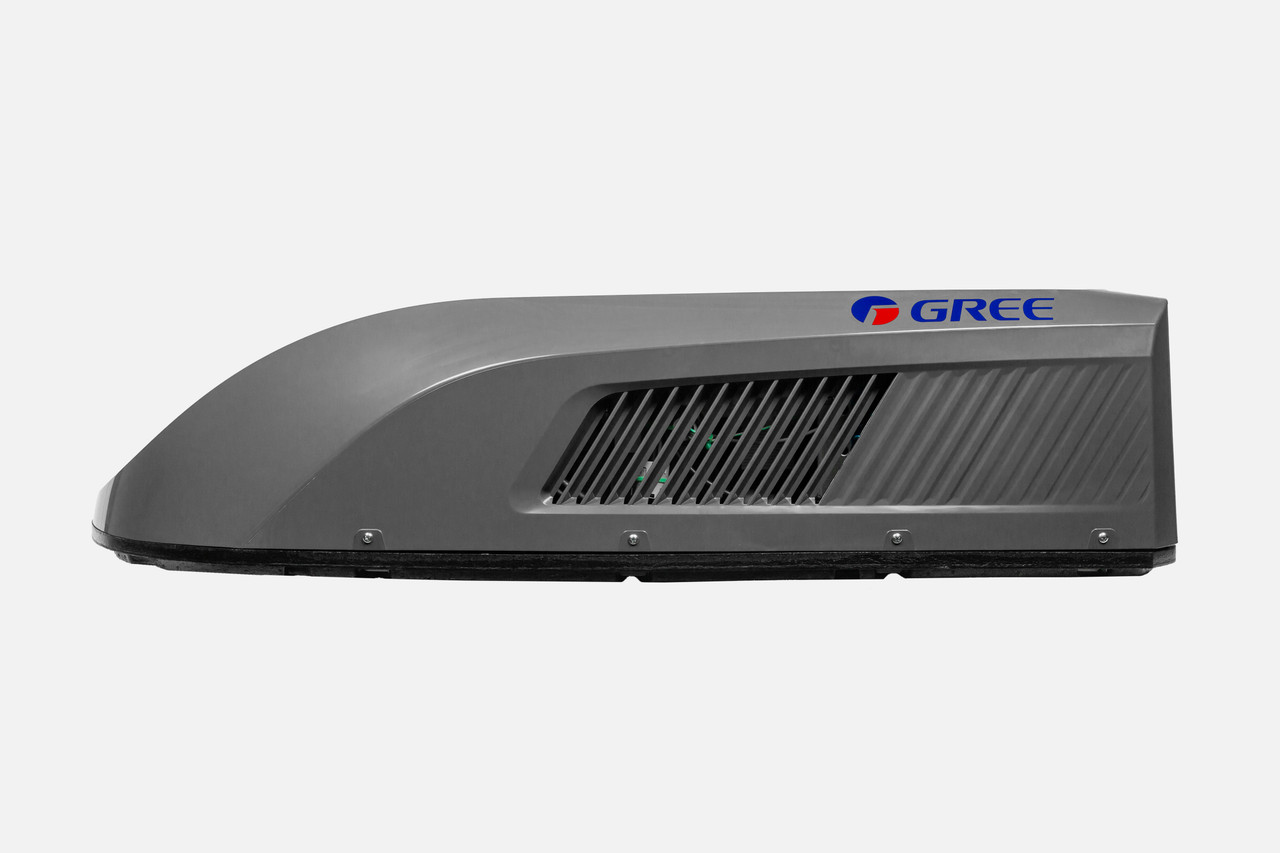
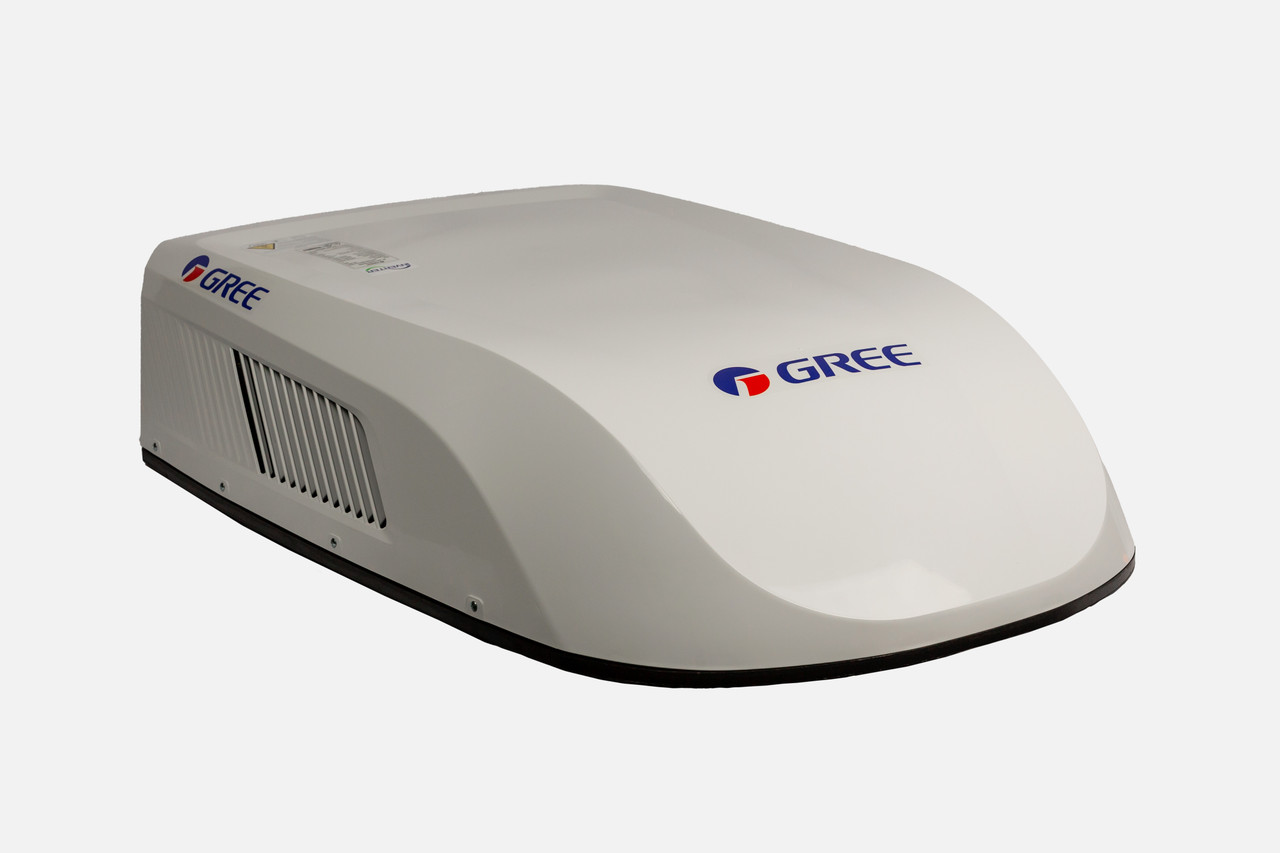
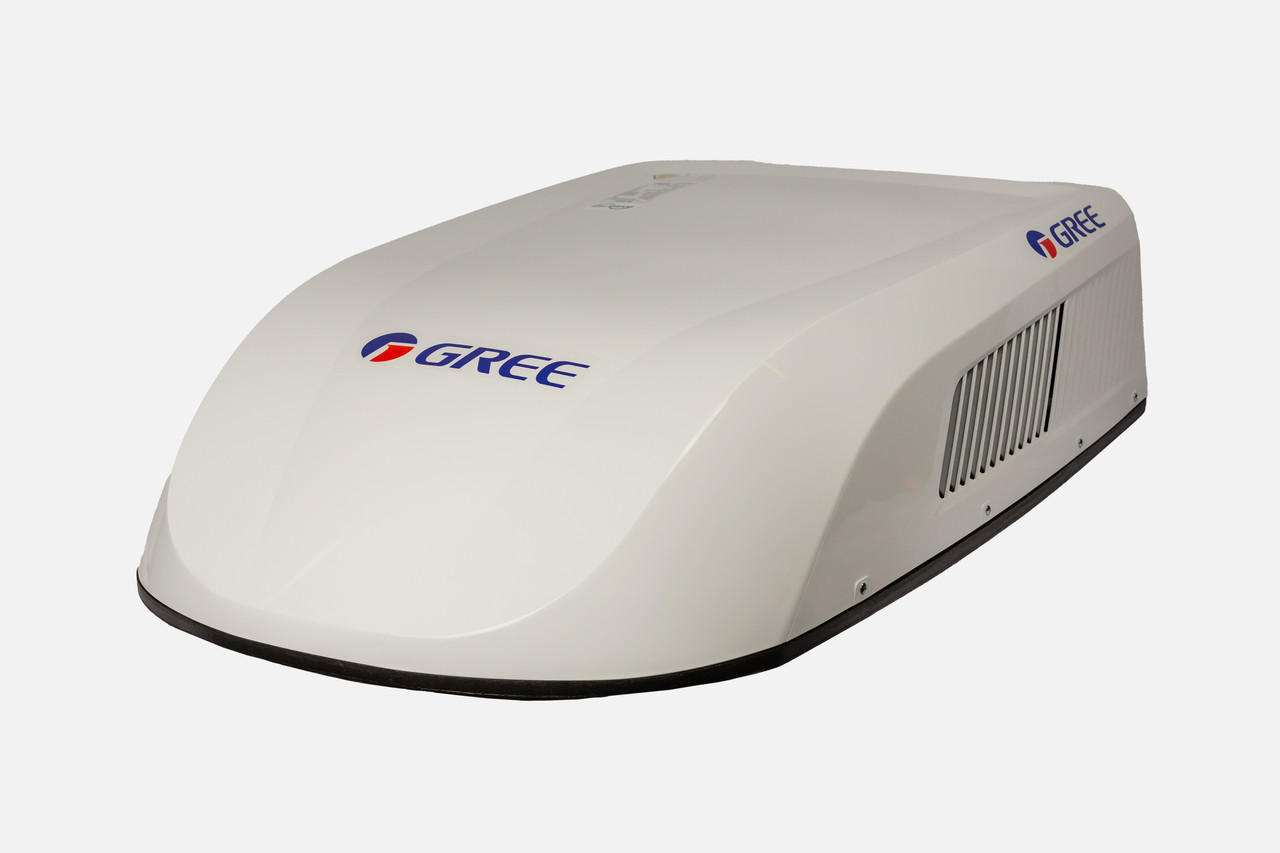
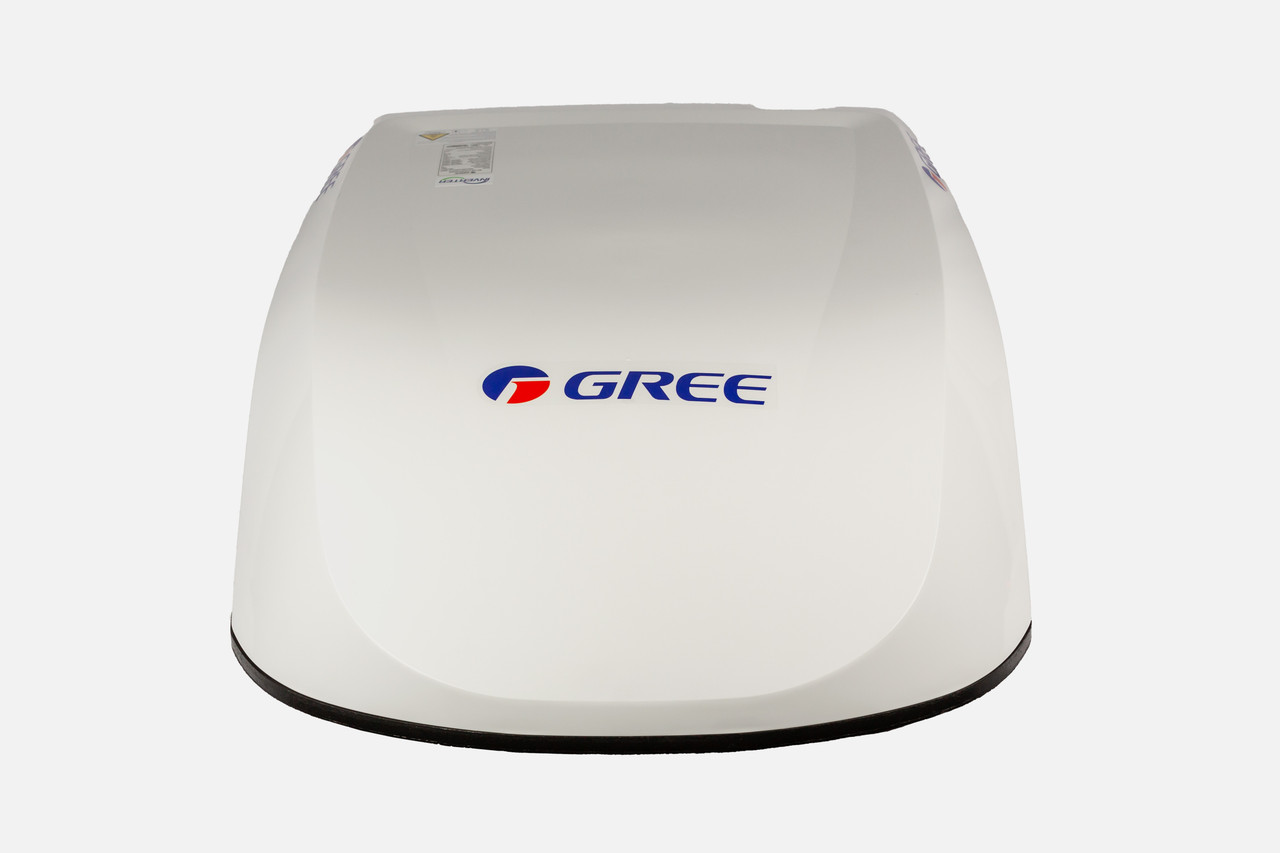
Showing 3 out of 3 products
Caravan And RV Air Conditioners Built For Australian Touring
Caravan air conditioners play a major role in how comfortable long trips actually are. In Australia, that means handling dry inland heat, humid coastal weather, cold alpine mornings, and everything in between. RV air conditioners also need to operate efficiently from standard 240V power, run quietly overnight, manage condensation, and survive constant vibration while travelling.
If you are researching your first system or upgrading an older unit, our complete guide to caravan air conditioners in Australia walks through sizing, installation basics, and real-world touring considerations in more depth.
Why Inverter Rooftop Systems Are Now The Standard
Older caravan air conditioners typically operate in a simple on or off cycle. Modern inverter systems work differently, adjusting compressor speed based on demand. In real touring conditions this delivers steadier temperatures, reduced power spikes, quieter overnight operation, and improved efficiency when running from park power or generators.
Inverter technology is especially valuable in caravans and RVs because internal space is limited and insulation varies widely. Instead of blasting at full output then shutting down, inverter rooftop systems maintain a more consistent climate, reducing temperature swings and unnecessary noise.
For travellers comparing brands and long-term performance, our why GREE is the best caravan air conditioner article explains why these units are increasingly chosen for Australian touring.
Featured Caravan And RV Air Conditioners
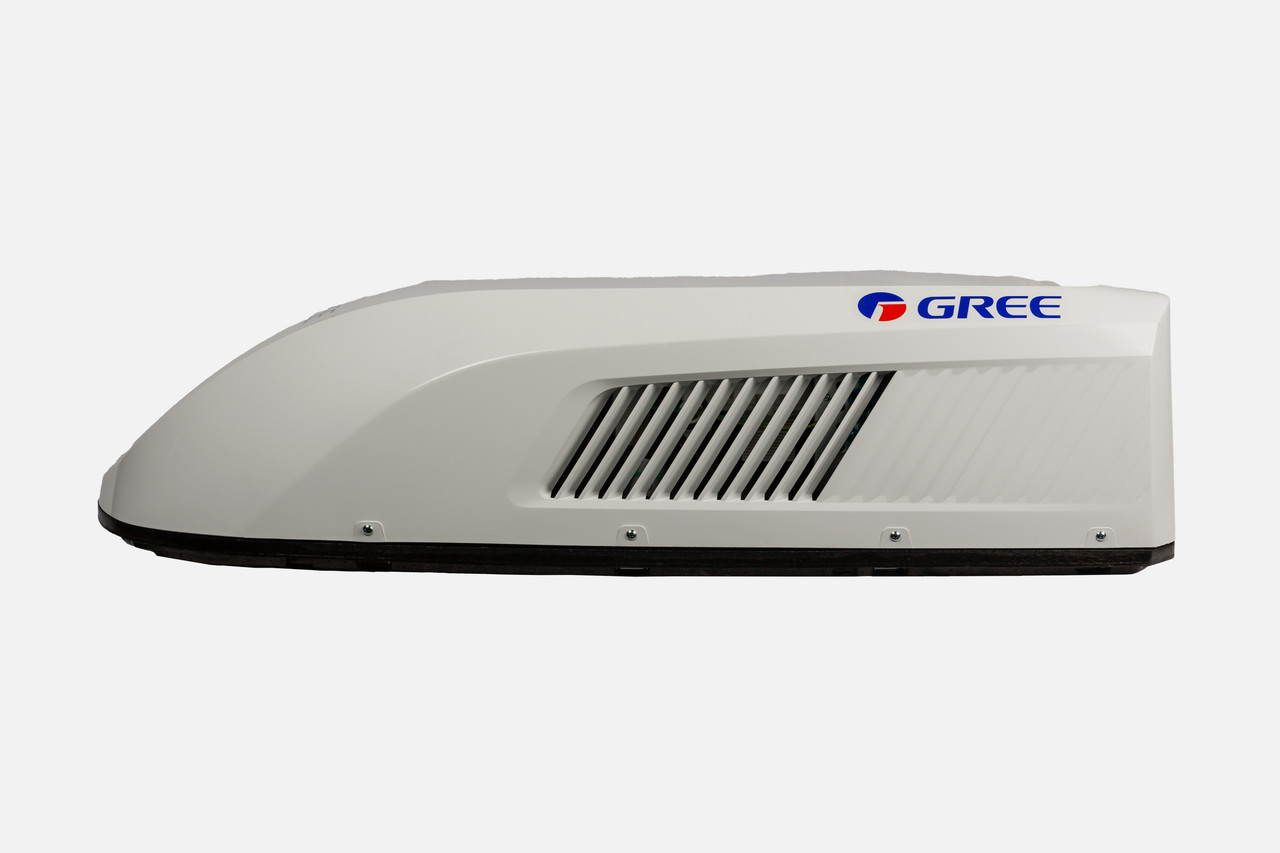
This range focuses on GREE inverter rooftop models, available in two capacities: the GREE 2.5kW Inverter Rooftop Air Conditioner for smaller caravans and compact RV layouts, and the GREE 3.5kW Inverter Rooftop Air Conditioner for larger vans or setups that require stronger cooling and heating.
| Model | Best Suited To | Main Advantage | Typical Touring Use |
|---|---|---|---|
| GREE 2.5kW Inverter | Smaller caravans and compact RV interiors | Balanced performance with lower overall power demand | Couples vans, pop-tops, short to mid-length caravans |
| GREE 3.5kW Inverter | Larger caravans and full-size RVs | Higher capacity for faster temperature control | Family vans, slide-outs, hot climate touring |
Choosing Between 2.5kW And 3.5kW
Capacity selection is one of the most important decisions when buying a caravan air conditioner. Too small and the system runs constantly without reaching set temperature. Too large and you pay more upfront without seeing meaningful benefit.
Interior volume, ceiling height, insulation quality, window size, and where you typically travel all affect performance. Vans regularly used in Queensland summers or inland Australia generally benefit from higher capacity, while smaller touring vans in milder climates often perform well with 2.5kW.
| If Your Caravan Has | Recommended Option | Reason | Expected Outcome |
|---|---|---|---|
| Compact interior and short body length | 2.5kW inverter | Cooling load matches smaller air volume | Efficient performance with reduced power draw |
| Longer layout or higher ceilings | 3.5kW inverter | Extra output handles larger air mass | Faster pull-down and stronger heating |
| Frequent hot climate touring | 3.5kW inverter | Maintains comfort during peak temperatures | More stable cooling in extreme heat |
| Weekend trips or cooler regions | 2.5kW inverter | Lower capacity still delivers reliable comfort | Lower upfront cost with solid results |
Power Requirements And Real Touring Use
These rooftop inverter systems operate from standard 240V caravan power. Most travellers run them on park mains or a suitably sized generator. Because inverter compressors ramp gradually, startup load is lower than traditional systems, making them easier on generators and electrical infrastructure.
While they are highly efficient, caravan air conditioners are still one of the largest electrical loads in any RV. If you plan extended off-grid travel, pairing your air conditioner with adequate battery storage and generator support becomes important for practical usage.
Installation Considerations
Rooftop air conditioners require a roof cut-out, proper sealing, and reinforcement where needed. Roof thickness, existing openings, and internal clearance all affect installation. Weight distribution also matters, especially on smaller vans.
Professional installation ensures correct sealing, electrical compliance, and long-term reliability. Once fitted, inverter rooftop systems become a permanent part of your touring setup, providing both heating and cooling from a single unit.
Noise, Comfort And Everyday Living
Quiet operation makes a real difference at night. Inverter systems run at lower speeds once temperature is reached, reducing compressor cycling and background noise. Dehumidification modes also help control moisture buildup in humid regions, improving sleep comfort and reducing condensation.
Integrated LED lighting in the plenum adds interior illumination, while WiFi control through the GREE+ app lets you adjust temperature remotely, ideal for pre-cooling the van after a day outside or warming it before getting up on cold mornings.
A Practical Upgrade For Long-Term Travel
For travellers spending weeks or months on the road, a reliable caravan air conditioner becomes part of daily life. Modern inverter rooftop systems deliver year-round climate control while managing energy use more effectively than older designs. Whether you are free camping, staying in caravan parks, or moving between regions, consistent temperature control improves overall touring comfort significantly.
Caravan Air Conditioner FAQs
What size caravan air conditioner do I need?
Size depends on van length, insulation, ceiling height, and where you travel. Smaller vans usually suit 2.5kW systems, while larger caravans and RVs benefit from 3.5kW units.
What makes inverter air conditioners different?
Inverter systems adjust compressor speed to match demand, providing steadier temperatures, quieter operation, and improved efficiency compared to traditional on or off units.
Do these rooftop systems provide heating?
Yes, both models use reverse-cycle technology, supplying cooling in summer and heating in colder conditions.
Can I control my RV air conditioner remotely?
These GREE rooftop units support WiFi control via the GREE+ app on compatible iOS and Android devices.
Are these suitable for Australian conditions?
Yes, they are built with UV-resistant materials, weatherproof housings, and wide operating temperature ranges for Australian touring.