

1 Products



Showing 1 out of 1 products
Caravan Roof Vents & Ventilation
A caravan roof vent helps air move through the highest point of the van, where heat and stale air naturally collect. Depending on the type of vent, it can provide passive ventilation or use a powered fan to actively move air into or out of the caravan.
Roof ventilation can be useful in caravans, RVs and motorhomes for managing warm cabin air, cooking odours, everyday moisture and general air circulation. It can also provide ventilation when you do not need, or do not want to run, the caravan air conditioner.
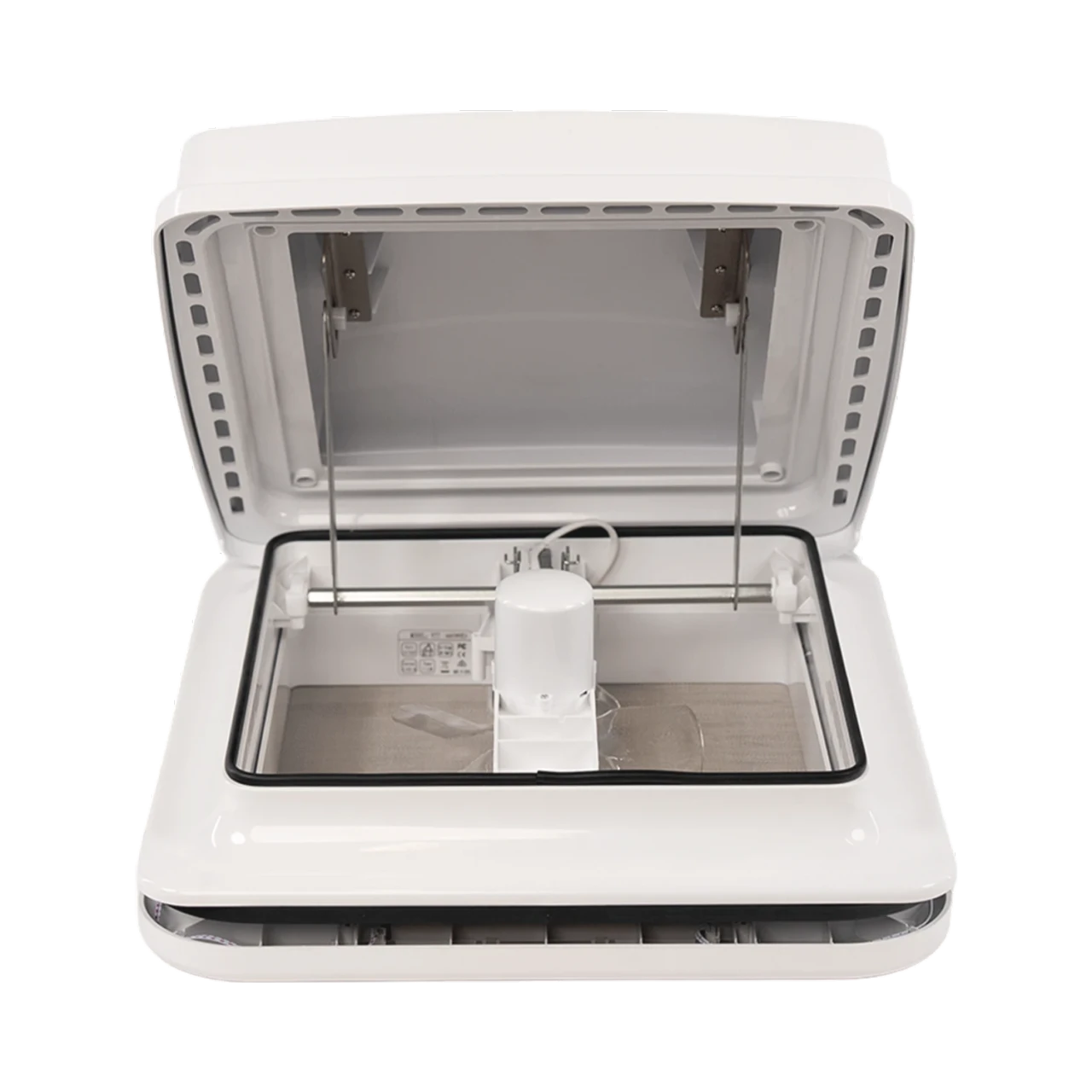
NCE offers a powered caravan roof vent designed for 12V and 24V RV electrical systems, with reversible airflow for both intake and extraction.
What does a caravan roof vent do?
A roof vent creates an opening at the top of the caravan so warm, humid or stale air can escape and fresh air can enter. Powered roof vents add a fan, allowing air movement to continue even when there is little natural breeze.
Do caravan roof vents help with heat?
They can help remove hot air that builds up near the ceiling of the caravan. A roof vent will not cool the air in the same way as an air conditioner, but moving trapped warm air out of the cabin can improve ventilation and comfort.
Can a roof vent help with condensation?
Ventilation can help move moist air out of the caravan, which may assist with moisture management. Condensation can still be affected by weather, insulation, heating, cooking and the number of people inside the van, so roof ventilation is one part of managing the issue rather than a complete solution.
Do I need a powered caravan roof vent?
A passive roof vent relies on natural airflow. A powered roof vent uses a fan to actively move air, which can be useful when the caravan is stationary, conditions are still or you want more control over how air moves through the cabin.
Intake or exhaust: which way should a caravan roof vent run?
Reversible powered roof vents can usually be used in two different ways: extracting cabin air through the roof or drawing outside air into the caravan. Which direction works best depends on the conditions and how you want air to move through the van.
Exhaust mode
Exhausting air through the roof can be useful when warm air, cooking odours or stale cabin air have built up inside. Because warm air rises, the roof is a natural location for extraction.
Intake mode
Intake mode draws outside air into the caravan. It can be useful when you want to increase fresh-air circulation through the cabin, particularly when other windows or openings are being used as part of the airflow path.
Using windows with a roof vent
Opening a suitable window or another vent can help create a clearer airflow path. For example, air can enter through a lower window while a powered roof vent extracts warm air from above.
Roof vents and caravan air conditioning
Roof vents and air conditioners perform different jobs. An air conditioner actively cools the cabin, while a roof vent moves air. When air conditioning is running, unnecessary open ventilation may allow conditioned air to escape, so the two systems should be used according to the conditions.
Are powered caravan roof vents good for off-grid camping?
A low-voltage roof vent can suit battery-based caravan electrical systems because it does not require a 240V mains connection when installed on a compatible 12V or 24V setup. Power consumption varies by model, so check the product requirements against your battery system before installation.
Where should a caravan roof vent be installed?
Roof vents are commonly positioned where rising warm or moist air can be removed effectively. The final location also depends on roof framing, wiring, insulation, solar panels, air conditioners, cabinetry and the required roof cut-out.
Can I replace an existing caravan roof vent?
Often, but the replacement needs to suit the existing roof opening and roof construction. Measure the actual cut-out rather than the outer dimensions of the old vent, and check roof thickness, mounting clearance and electrical requirements before ordering.
Why does a caravan roof vent need a flyscreen?
A flyscreen allows ventilation through the roof opening while helping reduce insects entering the caravan. Screens can collect dust and debris over time, so removable designs make routine cleaning easier.
What to check before buying a caravan roof vent
- Measure the existing roof cut-out if replacing an older vent.
- Check the overall dimensions as well as the required opening size.
- Confirm the caravan roof thickness is compatible with the vent.
- Check whether the vent is passive or powered.
- If powered, confirm whether your caravan uses 12V or 24V.
- Decide whether you want exhaust-only or reversible airflow.
- Check for an integrated or removable flyscreen.
- Allow exterior clearance for the roof lid to open.
- Check for roof framing, wiring, solar panels or other equipment around the proposed opening.
- Follow the installation and sealing instructions for the specific roof vent.
Caravan Roof Vent FAQs
Do caravans need roof vents?
Roof vents are commonly used to improve ventilation inside caravans, RVs and motorhomes. They provide an opening near the highest point of the cabin where warm and stale air can escape and can help create airflow when used with other windows or vents.
What is the difference between a powered and passive caravan roof vent?
A passive roof vent relies on natural air movement, while a powered roof vent uses an electric fan to actively move air. Powered models provide greater control when natural airflow is limited.
Can a caravan roof vent help keep a caravan cooler?
A roof vent can help remove warm air that accumulates near the caravan ceiling. It does not actively cool the air like an air conditioner, but improved ventilation can make the interior more comfortable in suitable conditions.
Can a caravan roof vent help reduce condensation?
Increased ventilation can help move moist air out of the caravan and may assist with moisture management. Condensation is also affected by temperature, insulation, cooking, heating and occupancy, so ventilation is only one factor.
Should a caravan roof vent blow air in or out?
Both can be useful. Exhaust mode removes warm, stale or moist air from the cabin, while intake mode draws fresh outside air into the caravan. Reversible powered vents allow the airflow direction to be changed depending on conditions.
Can I leave a caravan roof vent running overnight?
This depends on the specific vent, electrical installation and how the caravan is being used. Low-voltage powered roof vents are commonly suited to extended operation, but always follow the operating instructions for the individual model.
Can I run a caravan roof vent off a battery?
A 12V or 24V powered caravan roof vent can operate from a compatible caravan battery system when correctly installed. Check the vent's voltage and power requirements against your electrical setup.
What size hole do I need for a caravan roof vent?
Cut-out dimensions vary by model, so do not choose a roof vent based only on its outside dimensions. If you are replacing an existing vent, measure the actual roof opening and compare it with the new vent's specified cut-out size.
Can I replace a caravan roof vent without changing the roof opening?
You may be able to if the replacement vent uses the same or a compatible cut-out size. The roof thickness, corner shape, mounting area and surrounding structure should also be checked before ordering.
How do I clean a caravan roof vent flyscreen?
Remove the flyscreen if the design allows and clean away dust, insects and debris according to the manufacturer's instructions. Keeping the screen clear helps maintain airflow through the vent.
Can I use a caravan roof vent with the air conditioner running?
You can, but an open or extracting roof vent may allow cooled air to leave the caravan. In many situations the vent is more useful when air conditioning is not operating, or for ventilating the cabin before the air conditioner is used.
Where is the best place to install a caravan roof vent?
The ideal location depends on the caravan layout and roof structure. It should allow effective airflow while avoiding structural framing, electrical wiring, solar panels, air conditioners and other roof-mounted equipment.