
2 Products


Showing 2 out of 2 products
Portable Ice Makers for Caravans, Camping & Outdoor Use
A portable ice maker gives you a way to produce fresh ice without relying on bags of ice, freezer trays or permanent refrigeration space. For caravans, campers and outdoor setups, that can be particularly useful when travelling away from shops or when freezer space is already limited.
Portable ice makers work by cycling water through a refrigerated ice-making system, producing small batches of ice repeatedly throughout the day. Unlike a freezer, they are designed to make ice quickly rather than store it frozen indefinitely.
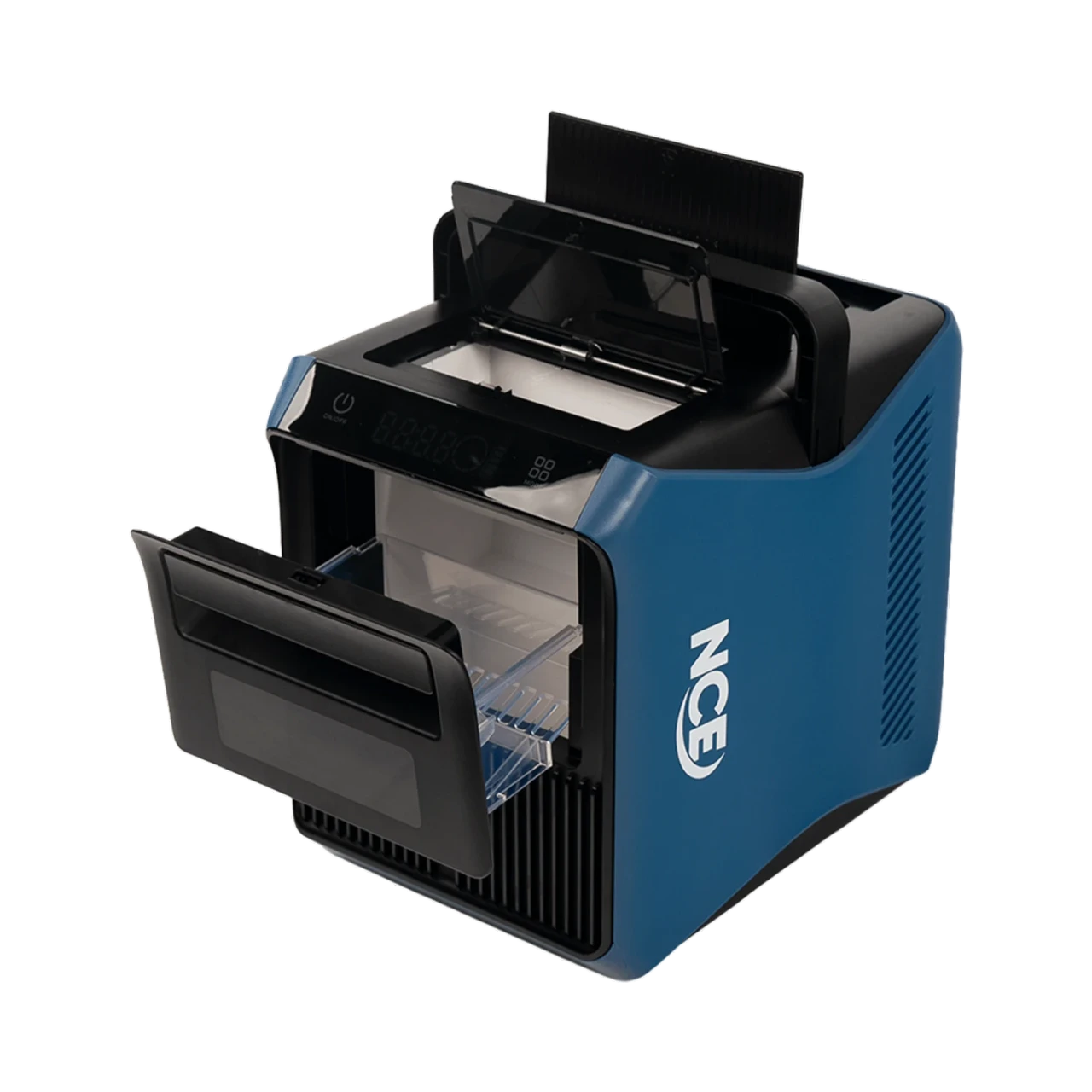
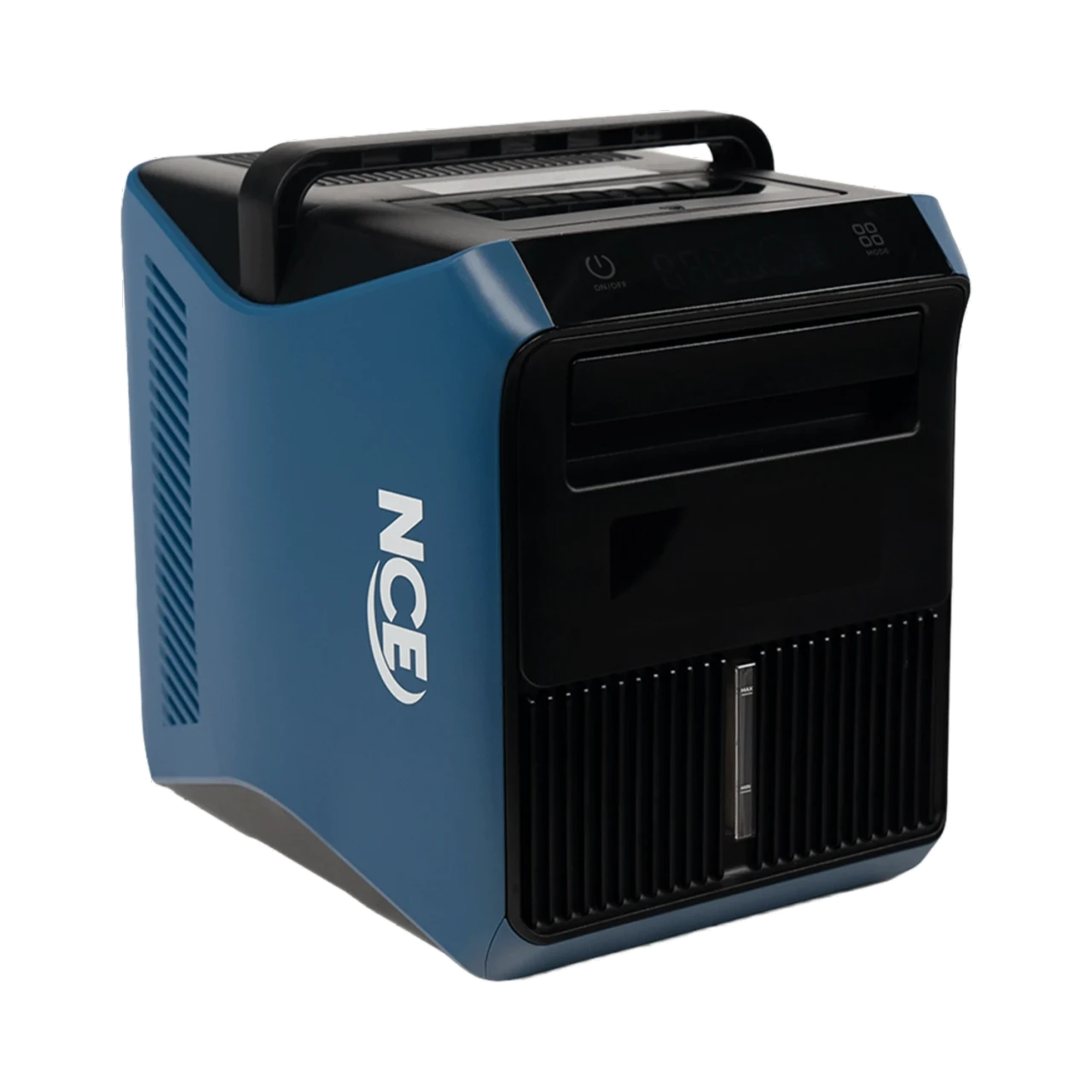
The NCE 12V/24V/240V Portable Outdoor Ice Maker is designed for flexible caravan, camping and outdoor use and can also be paired with the optional NCE Portable Ice Maker Lithium Battery Pack for cordless operation away from a fixed power connection.
How does a portable ice maker work?
A portable ice maker pumps water through an internal refrigerated system, forms ice around chilled components and then releases the finished pieces into a collection basket or drawer. The process repeats automatically while water and power are available.
Is a portable ice maker the same as a freezer?
No. A portable ice maker is designed to produce ice quickly, but it generally does not function as long-term frozen storage. Finished ice is best used relatively soon or transferred to a freezer if you want to keep it frozen.
Are portable ice makers good for caravans?
They can be a practical option when you want regular ice without giving up valuable freezer space. A model compatible with caravan electrical systems is especially useful for touring, campsites, outdoor kitchens and off-grid travel.
How quickly can a portable ice maker make ice?
Production speed varies by model. The NCE Portable Outdoor Ice Maker produces nine pieces of bullet ice in approximately five to seven minutes per cycle, making it suitable for producing smaller batches continuously rather than waiting for conventional freezer trays.
Using a portable ice maker in a caravan or off-grid setup
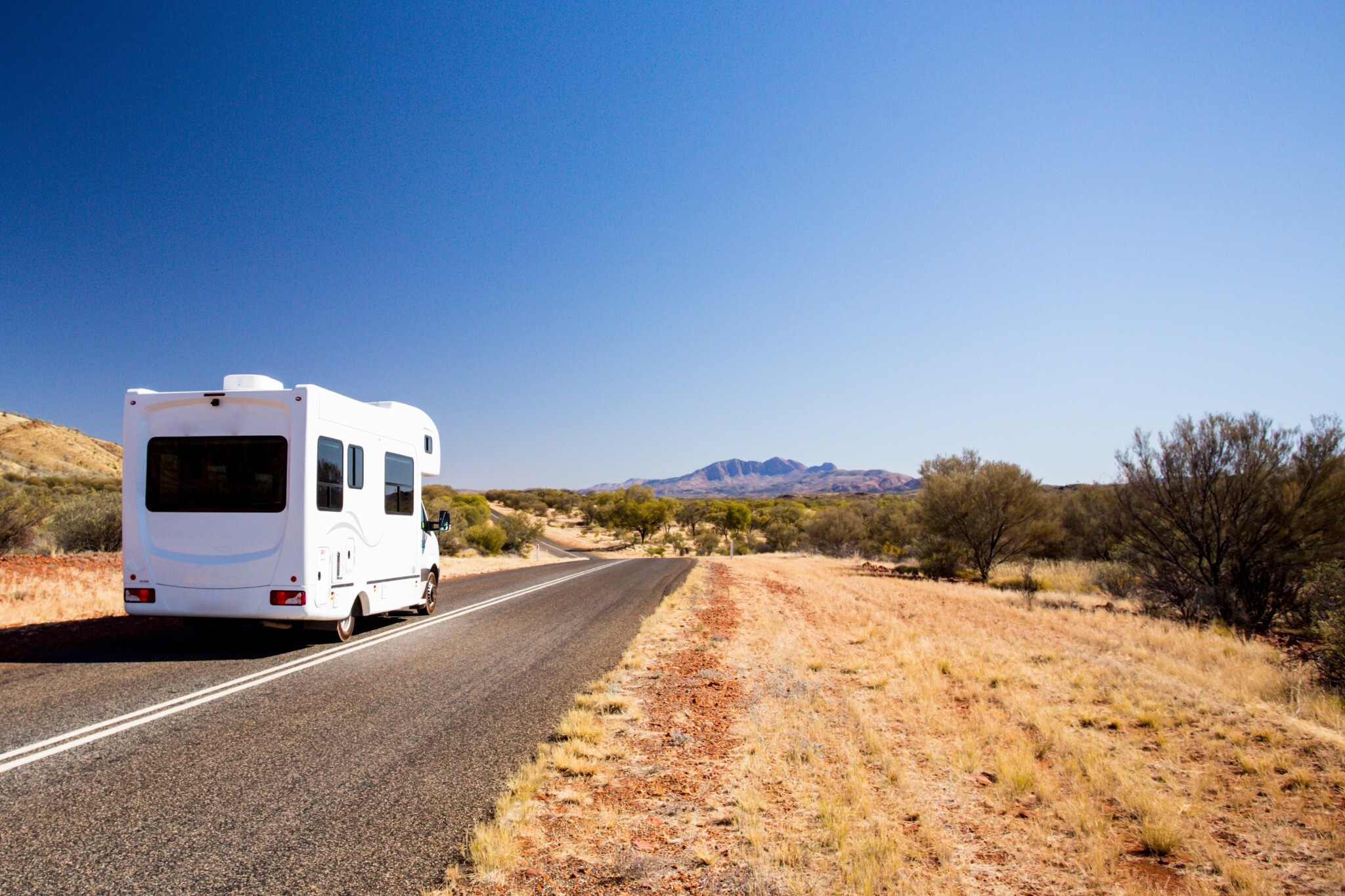
Power availability is one of the biggest considerations when choosing an ice maker for caravan or outdoor use. Unlike a domestic benchtop appliance that may only run from mains power, an RV-focused ice maker can provide more flexible options for different camping setups.
12V and 24V caravan power
A portable ice maker that supports low-voltage DC operation can be used with compatible caravan and RV electrical systems without needing a conventional 240V outlet.
240V powered sites
When mains power is available at home or at a powered campsite, 240V compatibility allows the same ice maker to be used without relying on the caravan battery system.
Battery-powered operation
A removable battery can give an ice maker temporary cordless operation when the unit is being used away from the caravan or a fixed power outlet.
Off-grid flexibility
For travellers who spend time away from powered sites, having multiple power options can make a portable ice maker easier to use across caravan, campsite and outdoor setups.
How much ice do you need when camping?
That depends on whether the ice is mainly for drinks, food preparation or larger groups. A portable ice maker is best suited to producing ice steadily throughout the day rather than replacing the bulk storage capacity of a large bagged-ice supply.
What is bullet ice?
Bullet ice is a rounded, hollow style of ice commonly produced by portable ice makers. Its relatively small size allows it to form quickly and makes it convenient for drinks, bottles and everyday campsite use.
Does ice size matter?
Different ice sizes can suit different drinks and uses. Smaller or thinner pieces generally cool drinks quickly, while larger pieces may melt more slowly. Some portable ice makers allow the user to choose between more than one size.
How noisy are portable ice makers?
Portable ice makers contain a compressor, pump and moving components, so some operating noise is normal. For caravan use, quieter models are preferable when the appliance may be operating close to sleeping or living areas.
Do you need a battery for a portable ice maker?
Not necessarily. If the ice maker is connected to a compatible 12V, 24V or 240V power source, an additional battery may not be required. A removable battery becomes useful when you want to take the appliance away from the caravan, campsite outlet or other fixed power source.
When a removable battery makes sense
A portable battery can be useful for picnics, outdoor kitchens, day trips and other situations where the ice maker is moved away from the main caravan electrical system.
The NCE Portable Ice Maker Lithium Battery Pack is designed specifically for the NCE Portable Outdoor Ice Maker and provides approximately three hours of cordless operation under intended use conditions.
How should a lithium ice maker battery be treated?
Lithium batteries should be used and charged according to the manufacturer's instructions. Avoid excessive heat, water, physical damage, short circuits and unauthorised disassembly, and use the recommended charging equipment.
Do portable ice makers need a water connection?
Many portable models use an internal water reservoir rather than permanent plumbing, allowing them to be positioned wherever suitable power and a stable surface are available. Check the operating instructions for the specific model.
How do you clean a portable ice maker?
Drain old water, clean the water-contact areas regularly and follow the manufacturer's cleaning procedure. Models with an automatic cleaning cycle can simplify routine maintenance, but periodic manual inspection is still important.
Can you leave water in a portable ice maker?
It is generally better to drain unused water before storing the unit for an extended period. Standing water can become stale and may contribute to odours or residue inside the appliance.
Can a portable ice maker be used outdoors?
A portable ice maker can suit outdoor entertaining and camping, but it should still be protected from rain, excessive heat and other environmental conditions outside the limits specified by the manufacturer.
What to check before buying a portable ice maker
- Check which power sources the ice maker can use.
- For caravans, confirm compatibility with your 12V or 24V electrical system.
- Consider whether you also want 240V mains operation.
- Look at how quickly each batch of ice is produced.
- Consider the total amount of ice you expect to use each day.
- Check whether different ice sizes are available.
- Consider the physical size and where the unit will be stored during travel.
- Check how water is added and drained.
- Look for easy cleaning or an automatic cleaning function.
- Decide whether cordless battery operation would be useful.
- If using a removable lithium battery, follow the supplied charging and storage instructions.
Portable Ice Maker FAQs
Are portable ice makers worth it for caravans?
They can be useful if you regularly use ice and do not want to rely on freezer trays or bags of ice. A portable model is particularly practical when freezer space inside the caravan is limited.
Can you run an ice maker on 12V?
Some portable ice makers can. The NCE 12V/24V/240V Portable Outdoor Ice Maker supports 12V, 24V and 240V operation, allowing it to work across a range of caravan, RV and mains-powered setups.
Can you run a portable ice maker off a caravan battery?
Yes, if the ice maker is designed for the voltage supplied by the caravan electrical system and the battery setup has adequate capacity. Always check the appliance requirements before connection.
How long does a portable ice maker take to make ice?
It varies by model. The NCE Portable Outdoor Ice Maker produces nine pieces of bullet ice in approximately five to seven minutes per cycle.
Does a portable ice maker keep the ice frozen?
A portable ice maker is primarily designed to make ice rather than act as a long-term freezer. If you need to keep finished ice for an extended period, transfer it to a suitable freezer.
Do portable ice makers need plumbing?
Many portable units use a built-in water reservoir and therefore do not need permanent plumbing. Check the individual product instructions for filling and drainage requirements.
What type of ice does a portable ice maker make?
Many portable machines produce bullet-shaped ice because it can be formed quickly and works well in drinks. Some units provide more than one selectable bullet ice size.
Can I use a portable ice maker while camping off-grid?
Yes, provided you have a compatible power source. Depending on the model this might include a caravan battery system or a compatible removable lithium battery.
How long does the NCE ice maker battery last?
The NCE Portable Ice Maker Lithium Battery Pack is designed to provide approximately three hours of cordless operation with the compatible NCE ice maker. Actual runtime can vary with operating conditions and use.
Can the NCE ice maker battery be removed?
Yes. The battery is designed as a removable battery pack for the compatible NCE Portable Outdoor Ice Maker, allowing the appliance to be used with or without the battery depending on the available power source.
How do you store a lithium ice maker battery?
Keep the battery away from excessive heat, water and physical damage, and follow the supplied charging and storage guidance. Use the recommended charger and do not disassemble or modify the battery.
How do you clean a portable ice maker?
Empty old water, clean the internal water-contact areas and use any automatic cleaning function according to the product instructions. The NCE ice maker includes an automatic internal cleaning cycle.
Can you use a portable ice maker outside?
Yes, portable ice makers can be useful for camping and outdoor entertaining, but they should be used in a suitable protected location and kept away from rain, excessive heat and other unsuitable conditions.