
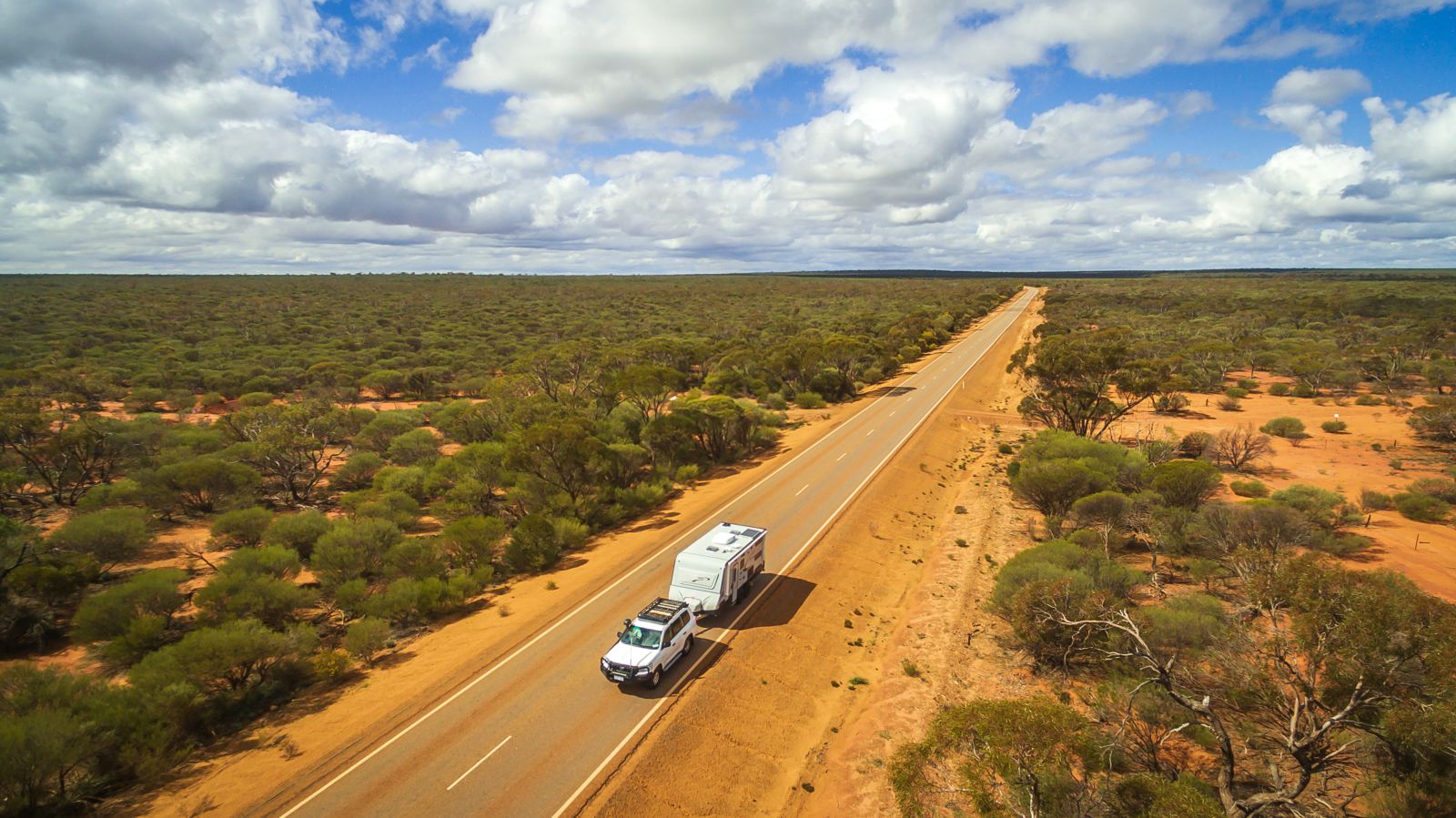
A caravan air conditioner can make the difference between enjoying a trip and simply trying to get through the heat. In Australian conditions, hot nights, humid coastal weather, dusty inland travel, and cold mornings all place extra pressure on the comfort of the van. A properly matched air conditioner helps keep the cabin usable across more of the year.
The right system is not just about choosing the biggest unit available. You need to think about van size, insulation, roof space, power supply, inverter capacity, battery storage, installation requirements, and whether you mostly stay on powered sites or spend time off-grid.
This guide covers what to look for when choosing a caravan air conditioner , including rooftop units, 12V air conditioner expectations, GREE inverter rooftop models, battery requirements, solar input, DC-DC charging, and practical ways to keep a caravan cooler for longer.
Contents
Why caravan air conditioning matters
Summer touring in Australia can be harsh. Once the temperature climbs above 35°C, a caravan can quickly become uncomfortable, especially in full sun, inland heat, or humid coastal conditions. A good air conditioner helps keep the cabin cooler, reduces humidity, and makes the van more usable during the hottest parts of the day.
Air conditioning is also important for sleep. Hot nights can make touring exhausting if the van never cools down properly. A correctly sized rooftop unit helps create a more stable internal temperature so the van stays comfortable after sunset.
- Helps cool the van during hot Australian travel conditions
- Supports better sleep during warm nights
- Reduces humidity and helps keep the cabin more comfortable
- Provides reverse cycle heating in compatible models
- Creates a safer refuge for children, older travellers, and pets during heat
Types of caravan air conditioners
Most caravan owners choose between rooftop systems, under-bunk or split systems, and portable air conditioners. Each option has a place, but for regular touring, rooftop systems are usually the most practical and integrated option.
Rooftop Air Conditioners
Rooftop air conditioners are the most common option for Australian caravans. They are mounted through the roof and distribute air from above, helping preserve internal storage space.
Under-Bunk Systems
Under-bunk and split-style systems can suit vans that cannot take a rooftop unit, but they usually require more complex ducting and can use valuable storage space.
Portable Units
Portable air conditioners may work as a temporary solution, but they take up floor space, need window venting, and are usually less practical for regular caravan travel.
12V Air Conditioners
True 12V air conditioners exist, but they are generally better suited to truck cabs, small campers, and compact sleeping areas rather than full-size caravans.
For most caravan owners, a 240V rooftop air conditioner is the best long-term option because it saves internal space, suits permanent installation, and provides stronger cooling for full caravan interiors.
Choosing the right size air conditioner
Air conditioner sizing should be matched to the van, not guessed. A smaller van, pop-top, or compact single axle setup may not need the same output as a larger full-height tandem caravan. Oversizing can add unnecessary cost and power demand, while undersizing can leave the unit running constantly without cooling the van properly.
As a general starting point, smaller vans up to around 5m are often suited to 2.0–2.5kW systems, while vans in the 6–7m range are often better served by 3.0–3.5kW systems. Large vans, full-height layouts, poor insulation, larger windows, or regular tropical and inland travel can increase cooling demand.
Smaller Vans
Compact caravans, campers, pop-tops, and smaller single axle layouts often suit a 2.5kW rooftop air conditioner when insulation and airflow are reasonable.
Larger Vans
Full-height vans, larger single axle layouts, tandem vans, family vans, and hot-weather touring often benefit from a 3.5kW rooftop unit.
Heat Load
Windows, poor shade, darker exterior colours, high humidity, and direct afternoon sun can all increase the amount of cooling needed.
Travel Style
Powered-site travellers can usually run air conditioning more freely. Off-grid travellers need to plan around battery capacity, inverter size, solar, and charging.
GREE rooftop caravan air conditioners
GREE rooftop air conditioners are designed for caravans and RVs travelling through Australian conditions. The range includes inverter compressor technology, reverse cycle heating and cooling, quiet operation, WiFi app control, R32 refrigerant, and ultra-low profile rooftop housings.
The updated 5-year warranty applies to purchases made from 1 July 2025 onwards. Products purchased before this date are covered under previous warranty terms.
GREE Rooftop Air Conditioner 2.5kW
The GREE 2.5kW Rooftop Air Conditioner is a compact inverter rooftop system suited to smaller caravans and RVs requiring efficient climate control without oversizing the setup.
Confirmed product highlights include 2.5kW heating, 2.65kW cooling, inverter compressor technology, ultra-quiet 37dB operation, WiFi app control, R32 refrigerant, and an operating range from -5°C to 52°C.
GREE Rooftop Air Conditioner 3.5kW Inverter White
The GREE 3.5kW Rooftop Air Conditioner White is suited to larger caravans, full-height vans, family layouts, and travellers who need stronger cooling capacity for hot conditions.
Confirmed product details include 3600W cooling capacity, 3400W heating capacity, 32.2kg total weight, reverse cycle heating and cooling, WiFi connectivity with the GREE+ app, LED halo lighting on the plenum, R32 refrigerant, operating range from -5°C to 52°C, and suitability for roof thickness from 30mm to 80mm.
GREE Rooftop Air Conditioner 3.5kW Inverter Black
The GREE 3.5kW Rooftop Air Conditioner Black provides the same high-capacity rooftop climate control in a black finish for caravans with darker exterior styling.
It includes inverter compressor control, reverse cycle heating and cooling, WiFi app control, R32 refrigerant, ultra-low profile rooftop housing, AES weatherproof materials, and UV-resistant construction for long-term outdoor exposure.
Can you run a caravan air conditioner off-grid?
Yes, but it needs to be planned properly. Most full-size caravan air conditioners are 240V appliances, which means they either need mains power, a generator, or a correctly sized inverter and battery system.
A 12V battery system can run a 240V caravan air conditioner through an inverter, but the current draw is high. For the GREE 3.5kW inverter rooftop unit, the running draw is commonly estimated at around 1300–1500W depending on conditions and compressor demand. At 12V, that can represent more than 120A of current before system losses are considered.
Battery Capacity
For a couple of hours of air conditioner use, many travellers plan around 300Ah to 400Ah of lithium capacity for a 3.5kW rooftop system.
Inverter Size
A 2000W pure sine wave inverter is often considered the practical minimum for caravan air conditioning, with surge capacity also needing consideration.
Solar Input
Solar can help replace used energy, but air conditioning loads are high. Many serious off-grid setups use large solar arrays and still rely on careful energy management.
DC-DC Charging
Charging while driving can help recover battery capacity between camps, especially when air conditioning is used on back-to-back days.
Off-grid air conditioning is possible, but it is not a small battery job. It needs lithium storage, a suitable inverter, correct cabling, protection, charging capacity, and realistic expectations around runtime.
Battery and power comparison
The table below gives a practical estimate of air conditioner power use. Actual consumption will vary depending on outside temperature, van insulation, thermostat setting, sun exposure, airflow, and how hard the compressor needs to work.
| Air Conditioner Type | Typical Running Power | Two Hour Energy Use | Approx 12V Battery Use | Best Suited For |
|---|---|---|---|---|
| Compact 1.8kW Unit | Approx 900W | Approx 1.8kWh | Approx 150Ah | Small campers and compact cabins |
| Mid-Size 2.5kW Rooftop Unit | Approx 1200W | Approx 2.4kWh | Approx 200Ah | Smaller vans and moderate climates |
| 3.5kW GREE Inverter Rooftop | Approx 1300–1500W | Approx 2.6–3.0kWh | Approx 230–250Ah plus system losses | Larger vans and hotter conditions |
Installation considerations
Rooftop caravan air conditioners need correct installation to perform properly. The roof opening, roof thickness, weight distribution, sealing, electrical connection, and plenum fitment all matter. A poor installation can lead to leaks, vibration, poor airflow, or reduced cooling performance.
For the GREE 3.5kW rooftop unit, confirmed fitment details include suitability for roof thickness from 30mm to 80mm, voltage of 220–240V at 50Hz, and an ultra-low profile rooftop housing. Older NCE product information also lists a cut-out size of 360mm x 360mm or 400mm x 400mm for the 3.5kW model.
Roof Opening
Check the required cut-out size and ensure the roof structure can support the unit correctly before installation.
Roof Thickness
Roof thickness matters for correct clamping, sealing, and plenum fitment. Always check the product requirements before ordering.
Electrical Supply
Air conditioners require a suitable 240V supply, whether from mains power, generator, or inverter system.
Airflow Inside The Van
The plenum needs to be positioned so cooled air can circulate effectively through the main living and sleeping areas.
Practical tips to stay cooler for longer
An air conditioner works best when it is not fighting unnecessary heat load. Shade, airflow, insulation, window coverings, and smart thermostat use all help reduce the amount of work the unit needs to do.
Pre-Cool The Van
Start cooling in the late afternoon before the van becomes heat-soaked. It is easier to hold a comfortable temperature than recover from extreme internal heat.
Use Reflective Shades
Window shades, roof vent covers, and awnings help reduce direct heat entering the van.
Set A Sensible Temperature
Setting the thermostat around 24°C to 25°C can reduce workload compared with running the unit at its lowest setting.
Use Fans For Air Movement
Fans help circulate cool air through the van and can make the space feel more comfortable without pushing the air conditioner as hard.
Buying checklist
- Choose the air conditioner size based on van length, insulation, windows, and travel climate
- Consider 2.5kW for smaller vans, pop-tops, and compact layouts
- Consider 3.5kW for larger vans, full-height layouts, family vans, and hotter regions
- Check roof opening size, roof thickness, and installation requirements before ordering
- Confirm whether you need white or black housing to suit the van exterior
- Check cooling and heating capacity if you travel across both summer and winter conditions
- Look for inverter technology for smoother compressor operation and temperature control
- Plan inverter and lithium battery capacity carefully if you want off-grid air conditioning
- Add solar and DC-DC charging if you need to recover energy between camps
- Use reflective shades, awnings, and fans to reduce cooling load
- Confirm warranty terms based on the purchase date
- Use qualified installers for electrical and rooftop installation work where required
FAQs
What size air conditioner do I need for a caravan?
Smaller caravans, pop-tops, and compact layouts may suit a 2.5kW rooftop air conditioner, while larger vans, full-height layouts, family vans, and hot-weather touring often benefit from a 3.5kW system.
Can I run a caravan air conditioner from batteries?
Yes, but you need a large lithium battery bank, suitable inverter, correct cabling, protection, and a way to recharge. Many travellers plan around 300Ah to 400Ah of lithium capacity for short runtime with a 3.5kW rooftop unit.
Is a 12V air conditioner enough for a caravan?
True 12V air conditioners are usually better suited to small campers, truck cabs, and compact sleeping areas. Most full-size caravans need a stronger 240V rooftop air conditioner for effective cooling.
What is the benefit of inverter technology in a caravan air conditioner?
Inverter technology allows the compressor to ramp up and down more smoothly based on cooling demand. This can improve temperature stability, reduce harsh cycling, and support quieter operation.
Can a caravan air conditioner run from solar?
Solar can help recharge the batteries used to run an air conditioner, but the air conditioner usually draws power from the battery and inverter while operating. Extended off-grid use requires a large solar array and careful energy planning.
Does the GREE rooftop air conditioner provide heating?
Yes. The GREE rooftop air conditioners include reverse cycle heating and cooling, making them useful across hot and cold travel conditions.
What roof thickness does the GREE 3.5kW suit?
The GREE 3.5kW rooftop air conditioner is listed as suiting roof thickness from 30mm to 80mm.
Do I need a generator for caravan air conditioning?
Not always. Some travellers run air conditioning from large lithium, inverter, solar, and DC-DC charging setups. A generator can still be useful backup during extended cloudy weather or when battery recovery is limited.